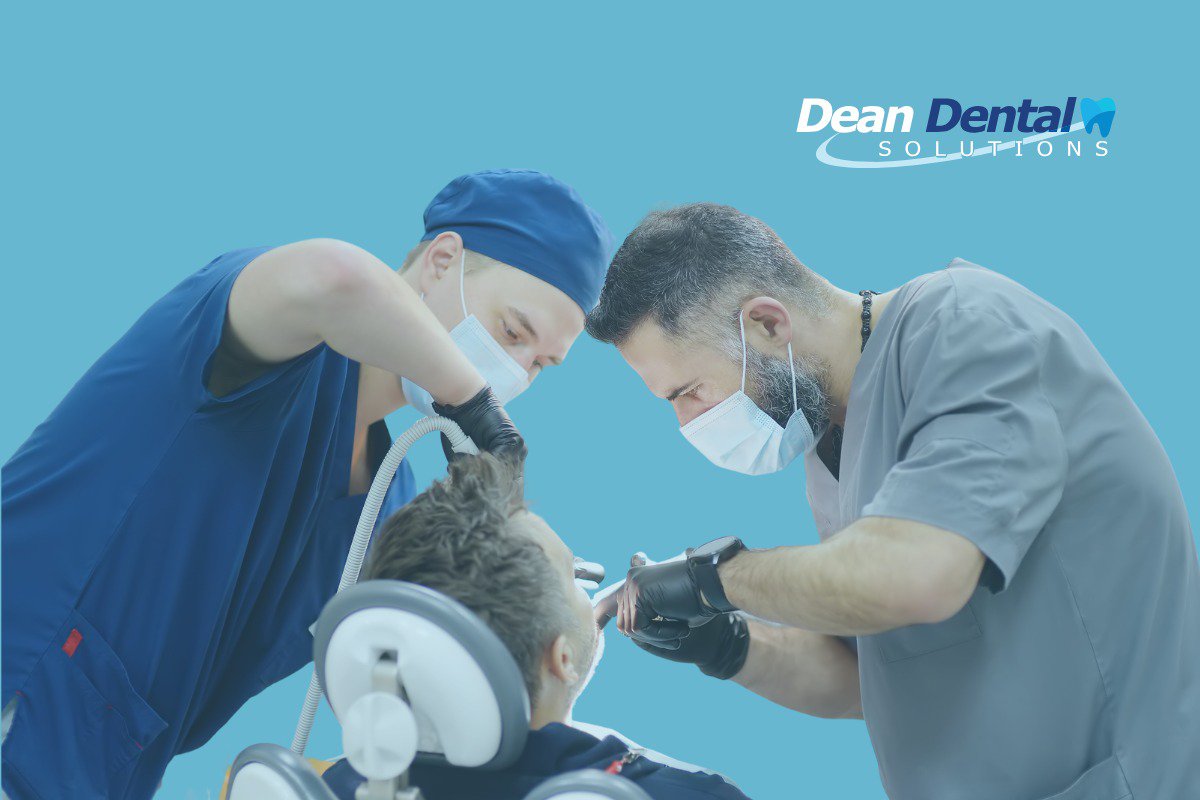
If you're considering full-mouth implants, you may be curious about All-on-4 vs. All-on-X. Understanding the difference can help determine which option aligns best with your smile goals. As a dedicated professional serving North Little Rock families, Dean Dental Solutions is here to explain these concepts in clear terms. Explore how each option works, discuss the costs involved, and identify who can benefit most. Together, we will find the perfect fit for achieving a healthy, confident smile.
Key Takeaways:
- All-on-4 uses exactly four implants per arch
- All-on-X uses four or more, tailored to jaw needs
- All-on-4 is quicker and more cost-effective
- All-on-X offers enhanced support and customization for complex cases
- Ideal candidates for All-on-4 have a healthy front jawbone
- All-on-X suits those with more bone loss or higher bite pressure
- With proper care, both methods have a long-term success rate of 15–25+ years
Understanding All-on-X vs All-on-4: The Core Differences
While both types of dental implants, the main difference lies in the number of implants and how they’re placed.
“All-on-X” typically includes more than four implants, depending on your needs; “x” stands for a variable number, such as five, six, or more.
“All-on-4” typically uses only four implants to support a full row of teeth, with front implants placed straight and the back ones angled; it fits most patients and may help prevent the need for bone grafts.
All-on-X gives more options, while All-on-4 follows a consistent and predictable process. Both methods have high success rates; the right pick depends on your jaw, bite, and goals.
Comparing All-on-X vs All-on-4
The suitability of each option depends on individual health and bone condition. All-on-4 is appropriate for many individuals with a strong front jawbone and basic requirements. All-on-X is better suited for more complex cases, providing a more secure solution for challenging or weaker jaws. Both methods have the potential to restore your smile and enhance daily comfort.
All-on-X
The All-on-X method utilizes more implants for enhanced support and a customized fit, although it may be pricier and requires detailed planning.
- It can use five, six, or more implants, which is great for those with bone or bite challenges.
- More implants spread out the chewing forces for a stable dental bridge.
- Sometimes bone grafting is needed, which adds to time and cost, but it often leads to stronger results in tough cases.
- 3D scans and mapping help in precise implant placement, making the process longer but more accurate.
All-on-4
The All-on-4 system is simpler and quicker, offering an affordable solution but with fewer adjustment options.
- It places a full set of teeth on four implants; the angled back implants work around weaker bone areas, often skipping bone grafts.
- The main benefit is lower cost; using fewer implants cuts down on surgery and lab costs.
- Healing is faster, letting people get back to their lives sooner.
Both systems have the potential to last for decades with appropriate oral hygiene. Routine brushing, dental checkups, and refraining from smoking are essential.
All-on-X vs All-on-4: How to Choose
It is crucial to have a qualified provider evaluate your oral health, personal goals, and overall well-being before making a decision.
Who is a good fit for All-on-4 dental implants?
All-on-4 dental implants can be an excellent choice for those who have healthy bone structure in the front jaw and minimal health issues. This method is often beneficial when the bone volume in the front of the mouth is adequate, allowing for straightforward placement of the front implants. The back implants are strategically tilted to avoid problematic areas, reducing the need for bone grafts in many situations.
This option is also suitable for individuals looking for a faster recovery and simplified treatment process, as All-on-4 offers one of the quickest timelines for treatment. It is particularly popular among older adults because of its less invasive procedure, enabling patients to leave with a complete smile the same day.
Who might need All-on-X dental implants?
For those with greater bone challenges or who require additional support, All-on-X may be more appropriate. It benefits patients experiencing uneven or diminished bone or strong bite pressure. By utilizing more than four implants, All-on-X distributes stress more evenly and addresses these issues.
This method may involve bone grafting, which enhances long-term durability. For individuals who have encountered implant failures in the past, have clenching habits, or unique jaw shapes, All-on-X provides added security.
Many older adults are candidates for either treatment. Comprehensive evaluations by doctors, including bone scans and assessments of past health conditions, are essential. Factors like diabetes can influence implant success, so treatment plans are carefully personalized.
What if someone lost their teeth years ago?
Even if someone has been without teeth for a long time, implants might still be a viable option, depending on bone shape and volume. All-on-X can reinforce key areas with grafts and strategic spacing. Advanced scanning tools help determine if the bone and jaw size will support implants.
Ultimately, the decision should consider bone strength, health concerns, and personal preferences. To determine the best approach, begin with a thorough evaluation and a 3D dental implant scan to create a personalized treatment plan.

All-on-X vs All-on-4 Treatment and Recovery
These procedures often utilize "teeth-in-a-day" techniques. Following a detailed consultation and scan, your dentist will meticulously plan the placement of each implant. On the day of surgery, implants are positioned, and temporary teeth are attached, allowing you to smile and enjoy soft foods right away.
Complete healing typically spans three to six months; most patients start feeling better within a few days. Initially, chewing is limited to protect the implants. Any pain or swelling is typically mild, and your dentist will provide medications and cleaning tools to assist in your recovery.
While both methods heal within similar timeframes, All-on-X may require extra attention due to more complex procedures. Whereas with All-on-4, healing may be slightly more straightforward due to fewer implants.
Daily care around the implants is crucial. Gentle brushing and specialized tools will help prevent infection. Avoid smoking, as it can slow recovery and compromise success. Your dentist will schedule regular checkups to ensure healing is progressing well.
Both options provide natural-looking teeth quickly. Healing is generally smooth, and most individuals enjoy their rejuvenated smile early in the process.
All-on-X vs All-on-4 Consultation at Dean Dental Solutions
Choosing between All-on-4 and All-on-X dental implants is an essential decision that impacts your oral health and overall well-being. At Dean Dental Solutions, our dedicated team is committed to ensuring you receive the best care tailored to your individual needs. By understanding the distinctive benefits of each option, you can achieve a smile that feels not only natural but also enhances your quality of life.
Ready to explore your options for a confident new smile? Contact Dean Dental Solutions today to schedule your consultation. Let our trusted dental professionals guide you toward the most suitable solution for your dental journey. Your path to a healthier, more radiant smile starts here. Book your appointment now.


Leave a Reply