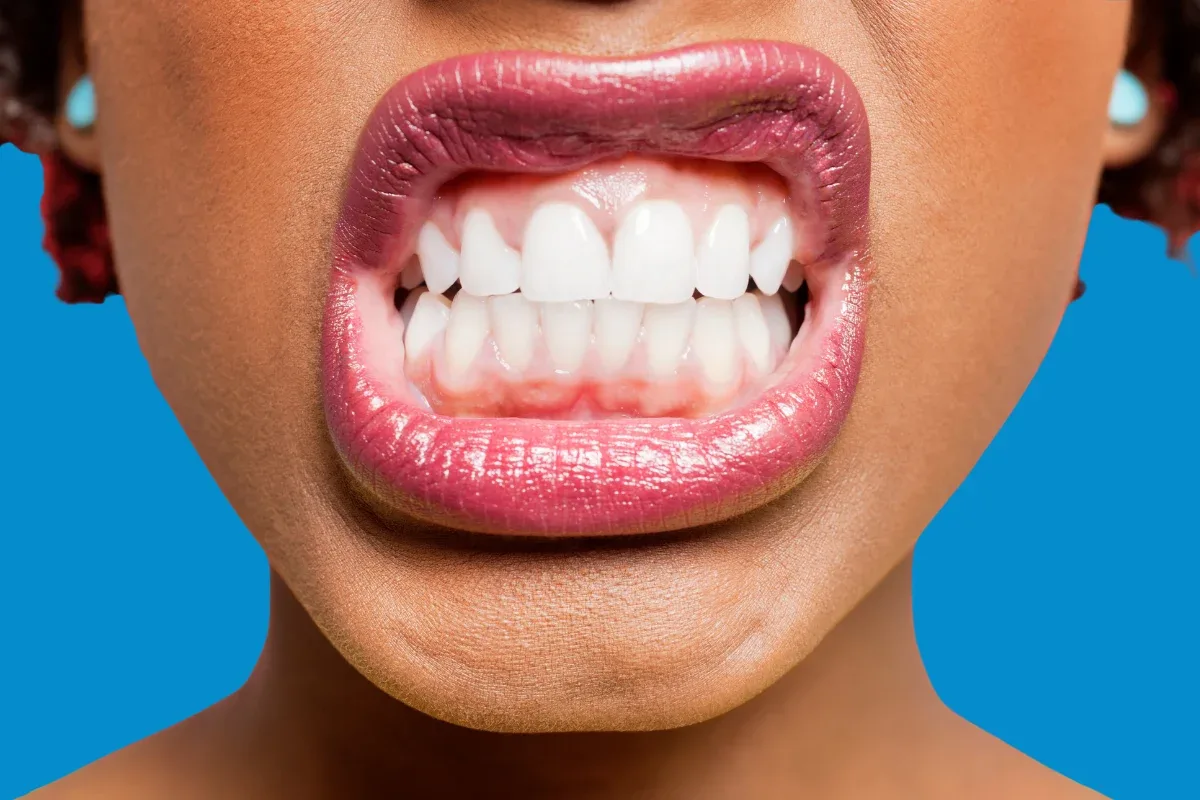
If you’ve recently been told you clench your teeth, or you’ve started noticing jaw soreness and tension headaches that are hard to explain, you are not alone. Bruxism (teeth clenching or grinding) is more common than most people realize, and we see it regularly at our North Little Rock office across all age groups. According to Jump to Section
“>Signs You’re Clenching That You Might Not Notice
: Many people clench for months before connecting the habit to their symptoms.
“>How Dentists Help You Stop Clenching: Custom appliances and targeted treatments address what habits alone cannot fix.
“>Ready to Stop Clenching for Good?: Dean Dental Solutions offers same-day evaluations for patients in North Little Rock.
Why You Clench: The Most Common Triggers
Most people notice jaw clenching when the pain shows up, not when it’s happening. During a hard drive or a long focus session, the jaw quietly locks down, teeth pressed together without any conscious decision. Stress gets most of the blame, and fairly, but pure concentration is just as reliable a trigger.
Sleep-related clenching follows a different pattern. Bruxism: Teeth Grinding at Night ” target=”_blank” rel=”noopener noreferrer”>According to the Sleep Foundation Jaw Clenching During Sleep: Causes, Symptoms, and Effective Relief ” target=”_blank” rel=”noopener noreferrer”>jaw clenching during sleep
Caffeine keeps the jaw primed, alcohol interrupts the muscle relaxation that would otherwise let it settle overnight, and certain medications, especially SSRIs and stimulants, add tension as a built-in side effect. None of these factors work in isolation, which is part of why Teeth Grinding: What Makes You Grind Your Teeth in Your Sleep ” target=”_blank” rel=”noopener noreferrer”>teeth grinding causes
The tricky part is that the jaw hides its complaints. Most people write off sore temples or a stiff neck for weeks before realizing their clenching habit is the source.
Signs You’re Clenching That You Might Not Notice
Clenching rarely makes itself known in obvious ways. The tension tends to settle into the temples, the back of the neck, or the teeth themselves, long before the jaw ever starts to ache.
Common signs include:
-
Morning jaw soreness or stiffness that fades by midday
-
Headaches centered at the temples, especially upon waking
-
Teeth that feel sensitive or look flatter and more worn than before
-
A popping or clicking sensation when opening and closing the jaw
-
Persistent neck and shoulder tension with no obvious cause
A lot of our patients find out at a routine checkup, when we spot worn enamel and ask if they’ve been grinding. By that point, the habit has usually been going on for months. The sooner we catch it, the less damage there is to work around.
How to Stop Clenching During the Day
The dental chair is not where most clenching happens. It happens during the meeting, on the drive home, at your desk with a deadline looming. A few habits, built into your routine, can start interrupting that cycle before it does any real harm.
Jaw Position Awareness
Here’s something that surprises a lot of patients: your jaw is probably not as relaxed as you think it is. Lips together, teeth slightly apart, tongue resting gently on the roof of your mouth. That’s the correct resting position. Check right now. If your back teeth are touching, that’s a clench. The tricky part is that habitual clenchers hold that tension for hours without noticing, through meetings, commutes, even a quiet evening at home.
Breathing and Relaxation Techniques
When your jaw is locked up, the last thing that feels helpful is being told to breathe. But it actually works. Try this: inhale through your nose for four counts, hold for a beat, then exhale slowly through your mouth for another four. As you breathe out, press your palms lightly along your jaw and down into your neck. You’re not forcing anything, just redirecting attention to where the tension lives. Stress Reduction and Habit Tracking
Try this: put a sticky note on your desk and mark it every time you catch yourself clenching. You’ll probably notice it spikes around the same situations: a packed inbox, that one recurring meeting. Posture matters more than most people expect, too. Forward head position tightens the whole jaw-neck chain, so a simple monitor adjustment can take real pressure off. These habits help. But when clenching is deep enough to fracture enamel or wake you up at night, that’s when we step in. Some patients keep a consistent wind-down routine, avoid the afternoon coffee, and still wake up with tight jaws. That’s not a failure of effort. It’s a sign the muscles need a different kind of attention. Custom night guards and targeted treatments work on the physical side in ways habits alone cannot reach. Once clenching has become a pattern, the goal shifts to limiting how much damage that pattern actually does. A custom night guard from your dentist is calibrated to your specific bite, which means it can actually limit the amount of force your jaw generates during clenching. That is a meaningful difference from an over-the-counter tray, which sits in the mouth but does nothing to redistribute pressure across the joint. If you are weighing your options, our North Little Rock team is happy to walk through what fits your situation. For a closer look at the mechanics and materials, we have covered Mouth Guards for Jaw Clenching: Which Type is Best? ” target=”_blank” rel=”noopener noreferrer”>mouth guards for jaw clenching Jaw Clenching During Sleep: Causes, Symptoms, and Effective Relief ” target=”_blank” rel=”noopener noreferrer”>jaw clenching during sleep A night guard helps a lot of patients. For some, though, the headaches keep showing up even after they’ve been wearing one consistently. If that sounds familiar, it’s worth knowing what’s actually happening: the masseter muscles are still contracting with more force than necessary, and a guard protects the teeth without quieting those muscles. Small Botox injections into the masseters reduce that force without affecting normal chewing or speech. Most patients notice fewer headaches and less jaw tension within days, and the results hold for three to four months. At Dean Dental Solutions, we offer
” target=”_blank” rel=”noopener noreferrer”>dental Botox treatment Left untreated, bruxism does cumulative damage that gets harder to reverse over time. Tooth enamel is the hardest substance in the body, but it does not regenerate once it’s gone. Consistent clenching wears it down layer by layer, leaving teeth shorter, more sensitive, and more vulnerable to decay. Thin enamel has no give. When your jaw clamps down with its full force, there’s no cushion left to absorb it, and teeth start to crack and chip from the pressure. A cracked tooth usually means a crown or bonding to bring it back to shape. Catch the habit early and it’s a straightforward fix; let it go and the repair gets a lot more involved. Your jaw joint is working overtime the whole time. The temporomandibular joint, or TMJ, was not built to handle the kind of sustained load that bruxism puts on it. That strain accumulates, and eventually it shows up as chronic jaw pain, a clicking or popping when you open your mouth, or trouble opening wide enough to eat a meal without discomfort. Learning about the Effects of Grinding Teeth: What Are the Risks? ” target=”_blank” rel=”noopener noreferrer”>effects of teeth grinding The symptoms spread further than most people expect. Recurring headaches, ear pain, and neck and shoulder tension are common complaints from patients with bruxism, and those symptoms often get blamed on stress or how someone sits at a desk. The jaw is frequently the real source. When the clenching gets addressed, a lot of those secondary aches tend to ease up along with it. Clenching is common, and learning how to stop clenching for good usually takes a combination of awareness, small daily habits, and the right dental support when the problem has progressed past what self-care alone can fix. At Dean Dental Solutions, we have helped patients in North Little Rock work through bruxism for over 30 years, and we are glad to help you figure out what makes sense for your situation. Same-day and urgent appointments are available when you need them. https://deandentalsolutions.com/request-appointment/ ” target=”_blank” rel=”noopener noreferrer”>Request an AppointmentHow Dentists Help You Stop Clenching
Custom Night Guards
Dental Botox for Bruxism
What Happens If You Keep Clenching?
Ready to Stop Clenching for Good?


Leave a Reply