Waking up exhausted despite a full night in bed, your partner complaining about your snoring, or feeling like you're gasping for air in the middle of the night, these experiences might signal sleep apnea. If you've tried CPAP therapy and found the mask uncomfortable, noisy, or simply impossible to tolerate, oral appliance sleep apnea treatment offers a proven alternative that many patients find easier to use consistently. Can a simple mouthpiece really replace a CPAP machine? What makes custom devices worth the investment? How do you know if you're a good candidate for this treatment approach?
Key Takeaways:
- Oral appliance sleep apnea treatment works by repositioning the jaw or tongue to maintain open airways during sleep, particularly effective for mild to moderate obstructive sleep apnea
- Mandibular Advancement Devices shift the lower jaw forward while Tongue Stabilizing Devices hold the tongue in position, each serving different patient needs
- Custom-fitted devices from qualified dental sleep medicine specialists deliver significantly better results and comfort compared to over-the-counter alternatives
- Treatment costs typically range from $2,000 to $4,000, with many medical insurance plans providing coverage when prescribed by a sleep physician
- Success rates hover around 50% for appropriate candidates, with outcomes improving dramatically when devices are properly fitted and patients attend regular follow-up appointments
- Short-term side effects like jaw soreness or dry mouth usually resolve within two to four weeks as patients adjust to the device
- Board-certified dental sleep medicine specialists with AADSM certification provide the highest quality care and best treatment outcomes
Understanding Oral Appliance Sleep Apnea Treatment
Oral appliance therapy uses a custom-fitted mouthpiece worn during sleep to treat obstructive sleep apnea. These devices work by adjusting the position of your jaw or tongue, which keeps your airway open and reduces the breathing interruptions that characterize sleep apnea. Unlike CPAP machines that push pressurized air through a mask, oral appliances rely on physical repositioning to maintain proper airflow.
The treatment addresses the root mechanical problem in obstructive sleep apnea: soft tissues in your throat collapse during sleep and block your airway. By moving your lower jaw forward or holding your tongue in place, these devices prevent that collapse and allow you to breathe normally throughout the night. This results in better oxygen levels, fewer sleep disruptions, and improved daytime energy and focus.
Advantages of Oral Appliances
While CPAP remains the gold standard treatment for severe sleep apnea, oral appliances offer distinct advantages for many patients. CPAP machines deliver continuous positive airway pressure through a mask covering your nose or mouth, which some people find claustrophobic, noisy, or difficult to travel with. Oral appliances are quiet, compact, and don't require electricity or distilled water.
The key difference lies in compliance. Many patients who struggle with CPAP find oral appliances much easier to use consistently. Since effective treatment requires nightly use, the therapy you'll actually wear matters more than the theoretically most powerful option. Studies show that while CPAP may be more effective per hour of use, patients often wear oral appliances more consistently, which can lead to comparable overall outcomes.
Oral appliance sleep apnea treatment works best for people with mild to moderate obstructive sleep apnea who have adequate dental health. Ideal candidates include those who cannot tolerate CPAP therapy, patients who travel frequently, and individuals seeking a quieter, more portable treatment option. You need sufficient healthy teeth to support most oral appliances, typically at least eight teeth on both upper and lower arches. Strong gums and healthy jaw joints are also important.
Types of Oral Appliances for Sleep Apnea
Two primary categories of devices treat sleep apnea: mandibular advancement devices and tongue stabilizing devices. Each works differently and suits different patient needs and anatomical considerations.
Mandibular Advancement Devices
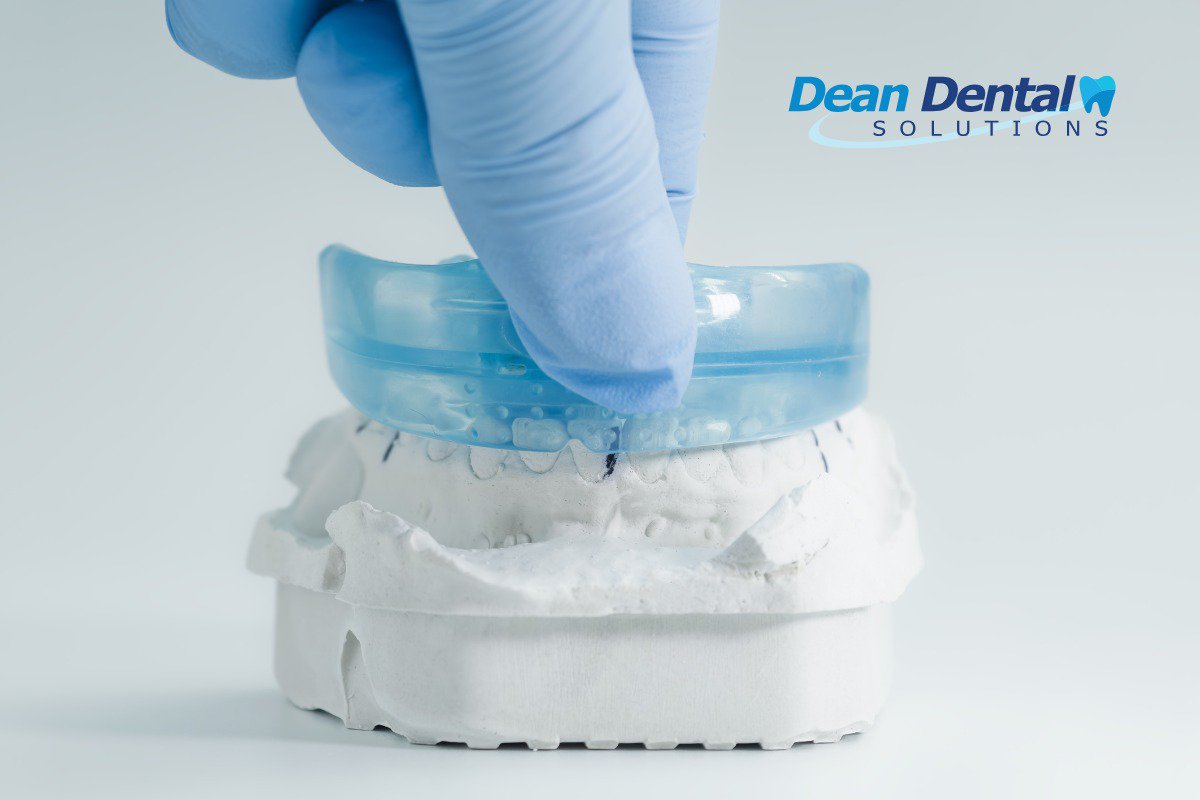
Mandibular Advancement Devices represent the most common type of oral appliance for sleep apnea treatment. These custom dental appliances fit over your upper and lower teeth like a mouthguard but include mechanisms that hold your lower jaw in a forward position. By advancing the mandible, MADs pull the tongue away from the back of your throat and tighten the tissues that might otherwise collapse and block your airway.
Quality MADs are constructed from durable medical-grade materials with adjustable components that allow fine-tuning of the jaw position. Your dentist can gradually advance the lower jaw over several appointments to find the optimal position that keeps your airway open without causing excessive jaw discomfort. The fitting process involves taking precise impressions or digital scans of your teeth. A dental laboratory fabricates the device to match your unique dental anatomy, ensuring a secure, comfortable fit.
Tongue Stabilizing Devices
Tongue Stabilizing Devices offer an alternative approach for patients who cannot use mandibular advancement devices. TSDs use gentle suction to hold the tongue forward, preventing it from falling back and obstructing the airway during sleep. These devices don't attach to teeth, making them suitable for patients with dentures, insufficient natural teeth, or temporomandibular joint disorders that make jaw advancement uncomfortable.
TSDs typically consist of a soft, flexible bulb that fits around the tip of the tongue with a flange that rests against the lips. The suction created when you insert your tongue into the bulb keeps the device and tongue in position. While many patients find TSDs effective, some report more drooling or dry mouth compared to MADs.
Effectiveness of Oral Appliance Sleep Apnea Treatments
Research shows that oral appliance sleep apnea treatment reduces breathing interruptions by approximately 50% in many patients with mild to moderate obstructive sleep apnea. While CPAP therapy generally proves more effective for severe cases, oral appliances deliver meaningful improvements for appropriate candidates. However, effectiveness depends heavily on proper fitting and regular follow-up care.
Many patients describe life-changing improvements with oral appliance therapy. If you have moderate obstructive sleep apnea and find CPAP masks claustrophobic and unable to maintain consistent use of them, your dentist may recommend another option. After switching to a custom mandibular advancement device, some patients report better sleep quality, dramatically reduced snoring, and improved daytime energy.
Several factors determine how well oral appliance sleep apnea treatment works for individual patients. Sleep apnea severity matters significantly; mild to moderate cases respond much better than severe obstructive sleep apnea. Device quality and customization prove critical. Generic devices rarely provide adequate therapeutic benefit, while properly fitted custom appliances deliver much better results. Patient compliance remains the ultimate determining factor; the most effective device only works if you wear it consistently.
Advantages and Considerations
Oral appliances offer numerous advantages over CPAP therapy. They're quiet, requiring no machinery or power source. They're portable and easy to travel with, fitting into a small case without the bulky equipment CPAP requires. Many patients find them more comfortable than wearing a mask over their face all night, and they allow for natural sleeping positions without hoses or headgear.
These devices can significantly reduce snoring, improve sleep quality, and increase daytime energy and focus. Custom-fitted devices feel secure and comfortable once you adjust to them. The ability to speak, drink water, and move naturally during the adjustment period helps many patients adapt more quickly than they would to CPAP equipment.
Most side effects from oral appliance sleep apnea treatment are mild and temporary. During the first few weeks, you might experience jaw soreness, tooth tenderness, excessive salivation, or dry mouth. These effects typically diminish as your muscles and tissues adapt to the new jaw position. Long-term use occasionally causes bite changes as teeth gradually shift position. Regular dental checkups allow your provider to monitor for these issues and make preventive adjustments.
Oral appliance therapy isn't appropriate for everyone. Patients with severe obstructive sleep apnea typically need the more powerful intervention that CPAP provides. Adequate dental health is essential; you need sufficient healthy teeth to support mandibular advancement devices, and active gum disease should be treated before starting therapy.
Frequently Asked Questions About Oral Appliance Sleep Apnea Treatment

How long does it take to get used to an oral appliance for sleep apnea?
Most patients adapt to their oral appliances within two to four weeks of consistent use. During the initial adjustment period, you might experience jaw soreness, increased salivation, tooth tenderness, or dry mouth. These side effects typically diminish as your mouth and jaw muscles adapt to the new position. Starting with shorter wearing periods and gradually extending to full nights can ease the transition. Your dental sleep medicine specialist will provide guidance on managing initial discomfort and may make adjustments to improve comfort during follow-up appointments.
Can oral appliances work as well as CPAP for treating sleep apnea?
Oral appliances are generally less effective than CPAP for severe obstructive sleep apnea, but work very well for mild to moderate cases. While CPAP may provide a more powerful intervention per hour of use, oral appliances often achieve better overall outcomes because patients wear them more consistently. Compliance matters tremendously in sleep apnea treatment; the therapy you'll actually use nightly provides more benefit than a more effective treatment you abandon. Research shows that custom-fitted oral appliances reduce breathing interruptions significantly in appropriate candidates.
What qualifications should I look for in a provider for oral appliance therapy?
Seek a dentist with specialized training and certification in dental sleep medicine, like at Dean Dental Solutions. Qualified providers should have extensive experience treating sleep apnea patients and work collaboratively with sleep physicians. Look for providers who use precise dental impressions or digital scanning to create truly custom devices rather than offering generic options. Experienced dental sleep medicine specialists monitor for side effects, make ongoing adjustments to optimize treatment, and conduct or arrange follow-up sleep studies to verify effectiveness.
Three Practical Steps for Successful Treatment
Step One: Confirm Your Diagnosis and Treatment Appropriateness
Begin by obtaining a formal sleep apnea diagnosis through a sleep study conducted by a qualified sleep medicine physician. This testing provides objective data about your breathing patterns, oxygen levels, and sleep quality that determines whether you have sleep apnea and how severe it is. Discuss your diagnosis results with your sleep physician and express interest in oral appliance therapy as a treatment option. If you've previously tried CPAP without success, discuss why it didn't work and whether documented CPAP intolerance strengthens the case for insurance coverage. Request a prescription for oral appliance therapy from your sleep physician, as this documentation proves essential for obtaining treatment and pursuing insurance reimbursement.
Step Two: Select a Qualified Dental Sleep Medicine Specialist
Research dental sleep medicine providers who hold credentials from the American Academy of Dental Sleep Medicine. Review their qualifications, experience treating sleep apnea patients, and patient testimonials. Schedule consultations to discuss your case and evaluate their approach to treatment. Ask about the specific devices they recommend, their process for customization and fitting, and their follow-up care protocols. Inquire about insurance acceptance and payment options. Choose a provider who takes time to explain the treatment process thoroughly and maintains strong relationships with sleep physicians for coordinated care.
Step Three: Commit to the Adjustment Process and Ongoing Care
Once you receive your custom oral appliance, wear it consistently every night to allow proper adjustment and achieve therapeutic benefit. Follow your dentist's guidance on gradually increasing wearing time if needed during the initial adaptation period. Keep all scheduled follow-up appointments so your provider can make necessary adjustments to optimize comfort and effectiveness. Complete a follow-up sleep study within three to six months of beginning treatment to objectively verify that your oral appliance adequately controls your sleep apnea. Schedule annual checkups with your dental sleep medicine specialist to monitor for bite changes, tooth movement, or device wear that might affect treatment effectiveness.
Comprehensive Sleep Apnea Solutions at Dean Dental Solutions
Finding effective treatment for sleep apnea transforms your health, energy, and quality of life. Oral appliance sleep apnea treatment provides a proven alternative for patients who struggle with CPAP or who prefer a quieter, more portable solution that's easier to use consistently. The right custom-fitted device can reduce snoring, improve sleep quality, and help you wake feeling rested and ready for your day.
At Dean Dental Solutions, we specialize in dental sleep medicine and helping patients find comfortable, effective alternatives to CPAP therapy. Dr. Dean brings extensive experience fitting custom oral appliances for sleep apnea patients and works closely with sleep physicians to ensure coordinated care that addresses your complete health picture. We use precise digital scanning technology to create truly custom devices that fit comfortably and deliver optimal therapeutic results. Our comprehensive approach includes thorough evaluation of your dental health and sleep needs, careful device selection and fitting, regular follow-up appointments for adjustments, and coordination with your sleep physician for follow-up testing.
Ready to explore whether oral appliance therapy can help you sleep better and feel more energized? Visit the Dean Dental Solutions site for more information about sleep apnea treatment options, or contact our office today to schedule a consultation. We'll evaluate your specific needs, answer your questions, and help you determine whether custom oral appliance therapy is the right solution for your sleep apnea.


Leave a Reply