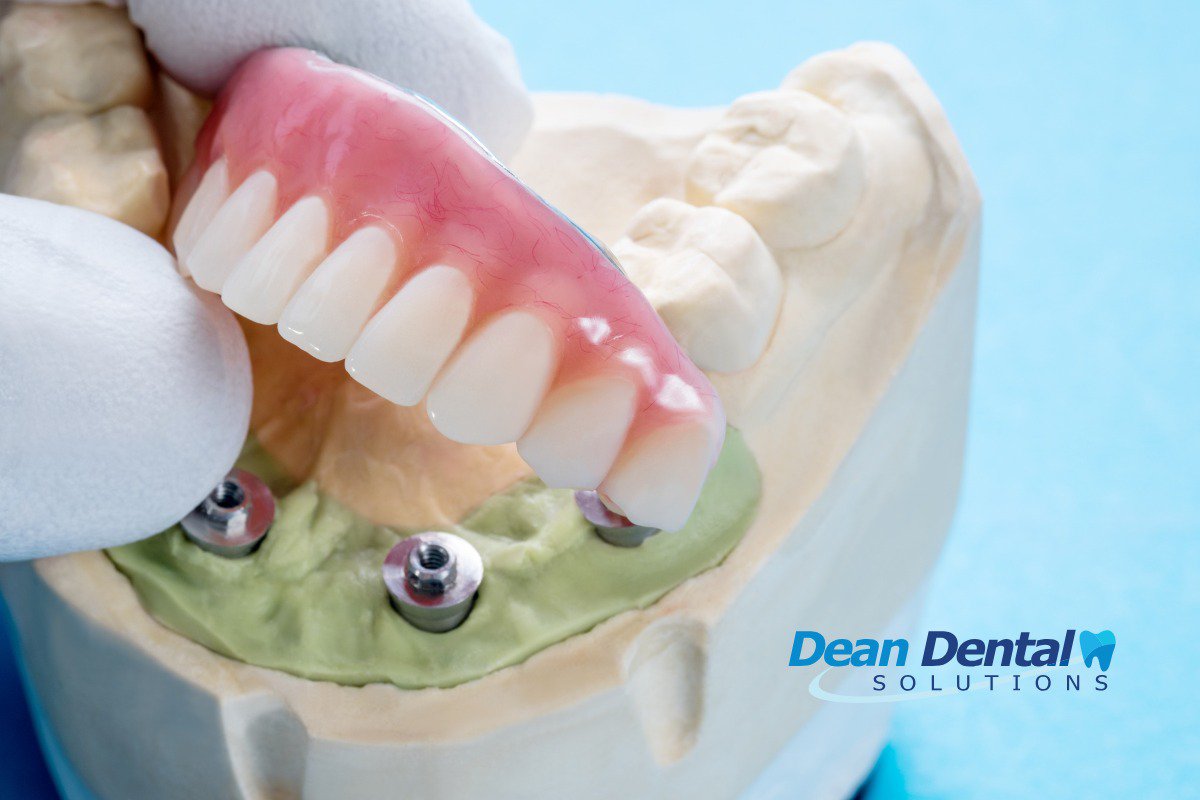
If you're thinking about dentures, one big choice stands out: permanent or removable? Both can restore your smile, but they work differently. One stays fixed in your mouth like natural teeth; the other comes out and needs more daily care. At Dean Dental Solutions, we help people like you find the best option for lasting comfort, health, and confidence. Permanent dentures vs removable: let’s figure out which fits your life better.
Key Takeaways:
- Removable dentures are non-surgical, lower-cost options that can be taken out daily; better for quicker solutions or avoiding surgery. Permanent dentures support implants, provide more comfort, grip, and a natural look; but they cost more and require surgery.
- Cost difference: Removable dentures cost ~$600 per arch; permanent ones range from $15,000–$40,000 per arch.
- Comfort & chewing: Permanent dentures feel more natural and handle tougher foods.
- Speech & appearance: Permanent dentures support facial structure and cause fewer speech problems.
- Durability: Removables last 5–8 years; permanents can last up to 25 years.
- Cleaning: Clean removables nightly; brush permanents like real teeth..
- Recovery: Removables are quicker to fit; permanents need 3–6 months to heal after surgery.

Permanent Dentures vs Removable: A Complete Guide For Patients
Dentures remain one of the most effective solutions for replacing missing teeth, but modern dentistry offers two main paths: permanent dentures and removable dentures. Both options restore smiles, improve chewing, and support speech, yet they differ in comfort, cost, maintenance, and long-term results. Because every patient’s needs are unique, it is helpful to explore the key factors that can guide your decision. By understanding the full picture of permanent dentures vs removable, you can confidently choose the treatment that best supports your health, lifestyle, and budget.
Permanent Dentures vs Removable: Understanding The Basics
The most important distinction between the two types lies in how they stay in your mouth. Removable dentures rest on the gums and can be taken out at will. They rely on suction, clasps, or adhesive for stability. In contrast, permanent dentures are anchored in place with dental implants. These implants act like artificial roots and hold the denture securely—so only a dentist can remove them.
Removable dentures are typically made of acrylic or resin, sometimes reinforced with metal. Permanent dentures usually combine titanium implants with porcelain or ceramic crowns for a natural look. Because of these differences, the daily experience of wearing them feels quite distinct.
Permanent Dentures vs Removable: Comfort And Everyday Use
Comfort is often the top priority for patients. Permanent dentures closely mimic natural teeth because they stay securely fixed, eliminating any shifting during eating or speaking. You can brush them like normal teeth, without needing adhesives or nightly soaking.
Removable dentures, however, may move slightly during meals or conversations. This can take time to adjust to, and some people experience sore spots on the gums. Adjustment usually improves with practice and regular dental visits, but permanent dentures typically provide a more stable and natural feel from the beginning.
Permanent Dentures vs Removable: Impact On Appearance
Both denture types improve appearance by filling gaps and supporting facial structure. Missing teeth can cause sagging cheeks or wrinkles, and dentures help restore a fuller, more youthful look. Permanent dentures have an advantage in long-term aesthetics because they maintain a snug fit and support jawbone health. The implants stimulate bone and prevent shrinkage, which helps preserve facial shape.
Removable dentures, on the other hand, may loosen over time as gums and bone tissue change. This can affect fit and appearance, sometimes requiring relines or replacements.
Permanent Dentures vs Removable: Durability And Lifespan
Permanent dentures are built to last. With proper care, they can remain functional for over 20 years. Their titanium base prevents decay, and the crowns resist stains and wear. Removable dentures generally last 5–7 years before needing replacement or major adjustments. Because they rest on the gums without bone support, ongoing changes in mouth shape can shorten their effective lifespan.
Therefore, while permanent dentures cost more at first, they often provide better long-term value.
Types And Who They Suit
Dentures come in complete and partial versions. Complete dentures replace every tooth in the upper or lower jaw, while partial dentures fill spaces between natural teeth. Both permanent and removable options exist for these categories.
Traditional removable dentures are often recommended for older adults who want a quick, affordable solution without surgery. Implant-supported dentures, whether partial or full, are best for patients with healthy jawbone tissue who want a stable, long-lasting fit. Younger adults often prefer implant-supported options because they look and feel more natural.
Permanent Dentures vs Removable: Advantages Of Removable
Removable dentures offer several key advantages. They are generally less expensive, easier to obtain, and quicker to make. Because they require no surgery, patients with health concerns can easily access them. Additionally, they can be easily refitted if the mouth changes, making them flexible over time.
However, drawbacks include shifting during meals, potential gum irritation, and lack of bone support. They may also require adhesives for stability, and many patients find them less comfortable for eating tough or sticky foods.
Advantages Of Permanent
Permanent dentures provide the closest experience to natural teeth. They are secure, comfortable, and reliable, with no slipping or clicking. Patients regain the ability to eat a wider range of foods, including harder items like nuts or steak. Because implants stimulate the jawbone, they also prevent bone loss and maintain facial structure.
The disadvantages include higher upfront costs, the need for surgery, and longer recovery. Some patients with weak bone may require grafting before implants can be placed. Insurance coverage may also be limited, making financing a consideration.
Permanent Dentures vs Removable: Cost Comparison
Cost is one of the most common concerns. Removable dentures can cost as little as $600 per arch, making them far more affordable initially. Permanent dentures, however, often cost between $15,000 and $40,000 per arch depending on the number of implants and the materials used.
Although the price difference is significant, permanent dentures usually last much longer and reduce future replacement costs. They also offer better oral health benefits by protecting the bone. Patients should weigh upfront cost against long-term value when making a decision.
Maintenance And Care
Removable dentures require daily removal for cleaning. They must be brushed with a soft denture brush and soaked overnight in a cleansing solution. Patients should also brush gums, tongue, and palate to reduce bacteria.
Permanent dentures are maintained like natural teeth. Brushing twice daily, flossing around implants, and using water flossers help keep them clean. Because they are fixed, permanent dentures do not require soaking. Both types may need occasional professional adjustments or repairs, but permanent dentures generally require less frequent intervention.
Chewing And Eating Ability
Permanent dentures provide superior chewing strength. Because they are anchored to implants, they remain stable under pressure and allow patients to enjoy tough or chewy foods. Removable dentures, by contrast, may limit food choices and require smaller bites. Many patients report more confidence eating in public with permanent dentures compared to removable ones.
Permanent Dentures vs Removable: Speech And Confidence
Both types of dentures can affect speech initially. Removable dentures may cause lisping or slurring until patients adjust, and they sometimes produce clicking sounds. Permanent dentures, due to their stability, typically allow for clearer speech with fewer adjustments.
Confidence is another important factor. Permanent dentures often feel more natural and secure, which helps patients smile and speak freely.
Permanent Dentures vs Removable: Procedure And Recovery
Removable dentures are non-surgical. Dentists take impressions and create custom appliances, which are fitted within weeks. Recovery is minimal, though some soreness is common at first.
Permanent dentures require a surgical procedure to place implants. Healing takes several months as implants bond with the bone. During this time, temporary dentures may be used. Once healing is complete, the permanent denture is secured. Recovery involves some swelling and tenderness, but most patients adjust well.
Permanent Dentures vs Removable: Choosing What’s Best
The right choice depends on health, lifestyle, and budget. Patients with strong jawbone and healthy gums may benefit most from permanent dentures. Those seeking affordability, faster results, or avoiding surgery may prefer removable dentures. In some cases, patients start with removable dentures and later transition to permanent options.
A consultation with a dentist is essential. The care team will evaluate bone density, gum health, medical history, and personal goals. Together, you can design a plan tailored to your needs.
Permanent Dentures vs Removable: Long-Term Outlook
Over time, permanent dentures tend to provide better stability, oral health, and overall satisfaction. Removable dentures remain an important option, especially for patients with medical limitations or financial constraints. Both restore function and appearance, but permanent dentures more closely replicate the feel of natural teeth.
Take The Next Step Toward A Confident Smile
Whether you are leaning toward permanent dentures or removable dentures, the first step is a professional consultation. At Dean Dental Solutions, our team specializes in helping patients restore their smiles with comfort and care. To learn more about your options, explore our page on dental implants or schedule an appointment today. With the right plan, you can enjoy a healthier mouth, stronger bite, and a smile that feels truly your own.


Leave a Reply