Preventive dental care helps stop small concerns, like early cavities, plaque buildup, or mild gum inflammation, from turning into painful, expensive problems later. A typical preventive appointment includes an exam, professional cleaning, and sometimes X-rays, plus added protection like fluoride or sealants when appropriate. These routine checkups can also catch issues that don’t show obvious symptoms yet, and reinforce daily oral health habits. Dean Dental Solutions in North Little Rock is committed to helping families stay healthy, pain-free, and smiling. If you want to protect your teeth and your wallet, here’s how.
Key Takeaways:
- Preventive dental care includes cleanings, exams, X-rays, fluoride, and sealants.
- Visit the dentist twice a year, no matter your age (but especially for children and seniors)
- Routine visits detect problems, often before symptoms appear.
- At-home brushing (2x/day) and flossing (1x/day) are important; use fluoride toothpaste.
- Drinking water and avoiding sugary/acidic foods help improve oral health.
- Preventive care lowers the need for expensive treatments (e.g., root canals).
What Is Preventive Dental Care and Why Does It Matter?
Preventive dental care includes cleanings, exams, fluoride, sealants, and X-rays. These steps help catch small problems early, before they turn into larger, more painful ones.
Brushing and flossing at home play a big part. Still, only a dentist can detect deep buildup, early decay, or gum disease.
Cleanings remove what toothbrushes can’t. Dentists examine each tooth and your gums to spot problems sooner.
What Does Preventive Dental Care Include?
Care typically includes dental cleanings, check-ups, fluoride treatments, sealants, and X-rays.
A preventive appointment starts with an exam. The dental assistant hygienist checks for decay, gum issues, or red spots. They also look at your tongue, cheeks, and the roof of your mouth.
Next, you get a cleaning. The hygienist uses tools to remove sticky plaque and tartar. They then polish your teeth to lift surface spots and brighten your smile.
Then, your dentist may do a check-up on your oral health, sharing brushing tips or talking about food choices. Also, dentists can apply one or both of the following to guard against cavities and reduce the risk of decay:
What Is The Purpose of X-Rays in Preventive Dental Care?
X-rays reveal decay, damage, or problems in parts of the teeth or gums that can’t be seen directly. For example, deep cavities or bone loss often appear in X-rays first.
These images also help track changes. If a root weakens or a tooth moves, your dentist will see it. X-rays may be taken once a year or more often if needed.
X-rays guide your future treatment plan, and may be taken once a year or more often if needed.
Why Is Preventive Dental Care Important?
An important part of your well-being is your oral health, which is why preventive dental care is so important. It lowers your chance of diseases linked to tooth and gum issues.
Gum disease has links to heart conditions, high blood sugar, and lung problems. Poor oral health can make these worse. Additionally, a dentist may even catch early signs of problems like diabetes or cancer.
Staying healthy helps you speak clearly, chew without pain, and feel confident. People with healthy teeth also tend to smile more. They often do better at school and in work settings.
The Benefits of Regular Visits
Routine check-ups monitor jaw health, tooth wear, and bite. Dentists can catch issues on X-rays that aren’t visible or causing pain yet.
Early dental care helps beyond the teeth; it saves money and supports health. Because dental hygiene remains important for everyone, no matter your age:
- Kids who visit the dentist regularly tend to have fewer cavities.
- Adults keep more natural teeth with fewer expensive treatments.
- Seniors can avoid pain and dentures with regular care.
Ready to feel confident in your smile again? Contact Dean Dental Solutions in North Little Rock for more information on preventive dental care and how to book an appointment.
How Often Should You Visit a Dentist?
Most dentists, like Dr. Dean in North Little Rock, recommend preventive dental care visits every six months. This gives them a chance to spot decay, plaque, or gum issues early.
However, be sure to ask your dentist for the most accurate preventive care schedule.
Children may need more frequent visits. Their teeth change quickly, and they may brush less effectively, which can make cavities more common.
Older adults may also need more visits due to gum recession or loose teeth. If someone smokes, lives with diabetes, wears braces, or has had gum problems, the dentist may recommend more than two visits a year.
When your teeth and gums stay healthy, future problems are easier to avoid.

How Can At-Home Practices Support Preventive Dental Care?
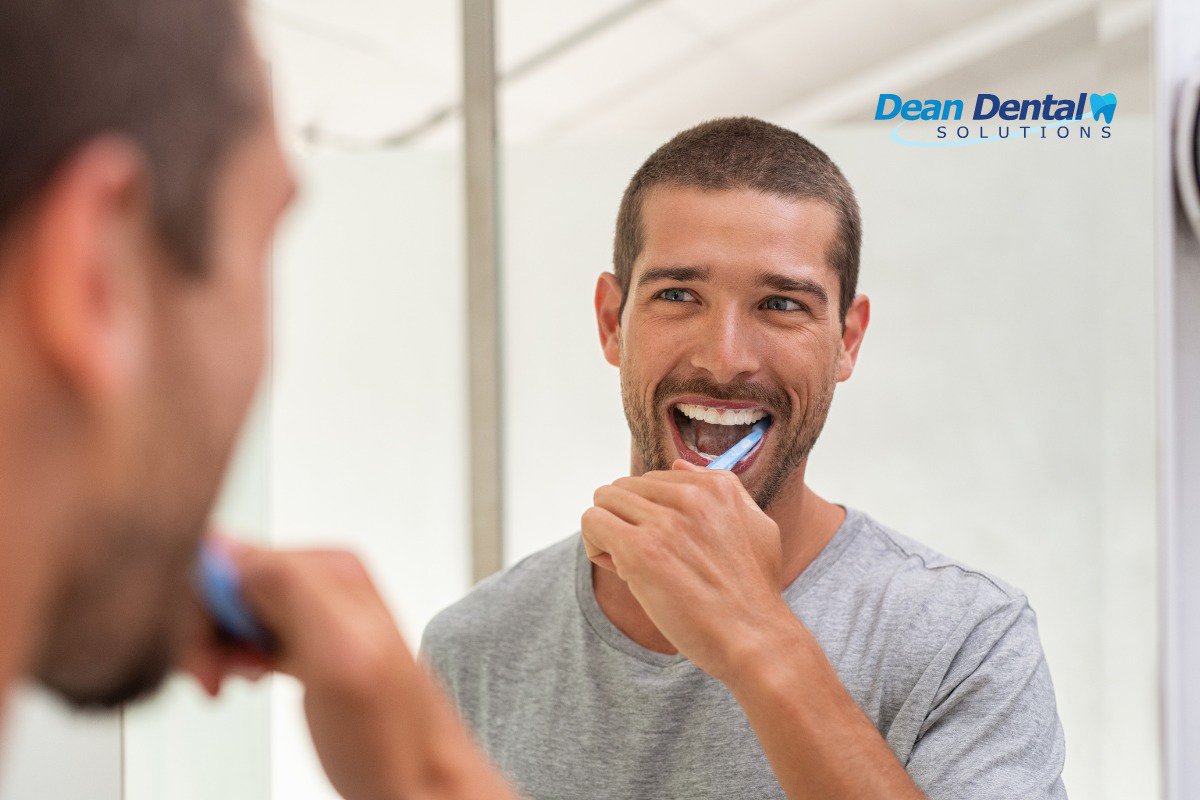
Maintaining oral health begins with daily home habits. Common best practices for brushing and flossing include:
- Brush for two minutes twice daily
- Use a soft-bristled brush, angled at 45 degrees toward the gum line
- Brush all surface areas
- Choose fluoride toothpaste, and don’t rinse after brushing
- Floss every day (slide between teeth, curve around the sides, and move gently up and down)
- Mouthwash can help freshen breath, but remember: it doesn’t replace brushing or flossing.
Kids may need coaching and supervision to learn brushing angles and build the habit.
Which Home Care Products are Most Recommended by Dentists?
Dentists commonly suggest using a soft manual toothbrush or an electric one with rounded heads. Look for toothpaste with fluoride (1350-1500ppm for adults), antibacterial mouthwash, and floss (or floss picks).
For those with braces or wide gaps, dentists typically recommend interdental brushes.
Whatever kind of brush you decide to use, look for items with the ADA seal, showing they’ve been tested and approved. Also, be sure to change brushes every three months (or when bristles start to bend).
Preventive dental care from home makes professional checkups faster and easier.
How Does What I Eat Affect My Oral Health?
More water and fewer sweet or acidic foods protect teeth. Foods full of vitamins and minerals, like leafy greens, fish, dairy, and eggs, help enamel and gum health.
Sugar feeds the mouth bacteria that make acids. These acids wear away enamel and create cavities. Sodas and juices are acidic too. They soften enamel. Drink them only with meals, and use straws to limit impact.
Remember to drink water throughout the day, as well. Water flushes out food bits and promotes saliva, which fights cavities.
Sugar-free gum after meals also helps. It starts saliva flow, which protects your teeth.
Preventive Dental Care for Children
Baby teeth are important; they guide adult teeth. Dentists also help parents learn care routines.
What Is The Best Age to Start Preventive Dental Visits?
By 1 year old or whenever the first tooth appears. This visit helps detect issues early.
Baby teeth help with eating, talking, and guiding adult teeth into place. If they become infected or are lost early, it may shift adult teeth. Misalignment can mean braces or higher costs later. Early care supports healthier outcomes.
What Can Parents Do to Help?
Clean baby gums before teeth come in. Wipe gums using a wet cloth after feedings.
When teeth show, use a soft brush and a rice-sized dab of fluoride paste. Brush twice daily, in the morning and at bedtime. By age three, teach them to spit and brush with help. Most kids can brush with minimal help at age six.
Good routines reduce future dental needs and protect your child’s comfort and confidence.
What Preventive Measures Should Seniors Take?
Get regular checkups, brush, floss, and watch for gum or mouth changes.
With age, people may lose gum support or tooth enamel. Medication could reduce saliva. Dry mouths allow bacteria to grow. Gum shrinkage also raises disease risk. Teeth may get loose, and dentures might not fit well. Some seniors also have trouble eating or feel less taste. Oral cancer risk increases, too, often without pain. Early checks make all the difference.
Two dental visits per year are typically enough to maintain good oral health. Even denture wearers need gum and fit exams. Many think feeling no pain means all is well, but illness could grow unnoticed.
Preventive care helps seniors stay healthy, comfortable, and more connected socially.
Insurance & Payment Options for Preventive Dental Care
Many plans fully cover two checkups each year. A dentist checks for gum disease, cavities, and other oral issues during these visits. Cleanings remove tartar and help prevent odor. X-rays discover hidden danger.
Some plans also include fluoride or sealants for kids. These stop early cavities. Each policy differs, so read carefully.
If you don’t have dental insurance, you can still get care in North Little Rock. Dean Dental Solutions offers payment and billing options, working with you to find the best plan for you.
Preventive Family Dental Care in North Little Rock
Regular, thoughtful care keeps your mouth and body in better shape. Appointments catch minor issues early. X-rays, cleanings, and good habits help stop cavities. Fluoride and sealants help at all ages. These steps lower stress and reduce cost. Start habits early and keep them strong. Insurance often covers cleanings and checks. All ages benefit from daily care. It’s smart to stay ahead before problems cause pain, and stick with the habits that let your smile stay strong.
If you’re looking for a dental clinic in North Little Rock, Dean Dental Solutions offers general and cosmetic family dental services, including preventive care. Hear directly from some of our patients, or contact us directly. Our team is here to answer any questions you have; our mission is to get you the dental care you deserve.


Leave a Reply