Getting a dental implant is a major step, and understanding the dental implant recovery stages is crucial. You might wonder what happens after surgery or how your gums and bones regain strength. Let’s explore each stage—from day one to the final crown. You’ll learn what’s normal, what to watch for, and how to support healing. Let’s set clear expectations so your smile stays strong and healthy for life.
Key Takeaways:
- Dental implant healing has 4 stages: surgical placement, osseointegration (3–6 months), gum healing (1–2 weeks), and crown placement.
- Osseointegration is when bone bonds to the implant; Bone grafting extends the healing time.
- Healthy healing signs include pink gums, reduced swelling, and stability around the implant; warning signs include pus, fever, or looseness.
- Pain, swelling, and bruising are normal in the first 3 days; manage them with ice, soft foods, and rest.
- Avoid smoking, alcohol, hard foods, and touching the implant site.
- Final crown is placed after full bone integration; total healing may take 3–12 months depending on your case.
- Full-mouth implants or bone grafts increase the total healing time.
- Good oral hygiene, soft foods, and key vitamins (C, D, calcium) help support healing.

Dental Implant Healing Stages: Main Stages Explained
The healing process after a dental implant involves four critical stages, each contributing significantly to securing your new tooth. Here's a breakdown of each stage.
Stage 1: Surgical Placement of the Implant
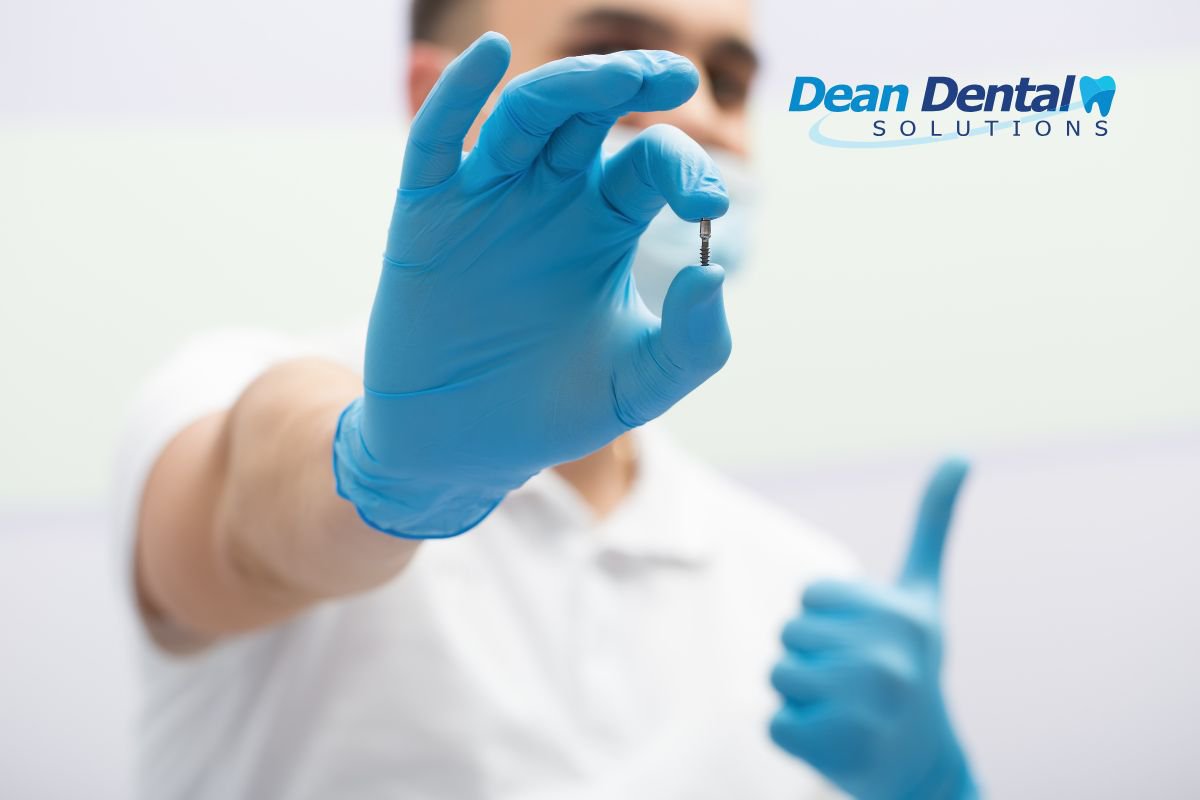
In the first stage, a dentist places a small metal post, called a dental implant, into your jawbone. These titanium implants act like tooth roots and are commonly used because they are compatible with bone.
During the procedure, a dentist makes a small incision in the gum and places the titanium post into the jawbone. The gum is then either closed over the post or allowed to heal with a visible cap. For patients with strong bone, this process is straightforward. Some may require bone grafts, which can be done either prior to or alongside implant placement.
Post-surgery, it's normal to experience some soreness and swelling for a few days. Applying ice packs and resting can ease discomfort. Soft foods like soup or mashed potatoes are recommended, and it's best to avoid hot foods, alcohol, and hard chewing initially.
Stage 2: Osseointegration – The Bone Healing Phase
This is the longest phase in the dental implant healing stages, lasting three to six months. During this period, the bone grows around the implant, anchoring it securely. Successful osseointegration is crucial; without it, the implant may not hold.
The bone gradually bonds with the titanium, allowing for comfortable chewing and a confident smile. Factors such as smoking, poor health, or inadequate oral hygiene can impede progress or cause failure. It's important to maintain good dental hygiene and a healthy lifestyle during this phase.
In advanced cases, such as full-mouth implants or where bone grafts have been added, osseointegration might take longer than six months.
Stage 3: Healing of the Gums
Once bone healing is underway, the focus shifts to gum tissue. The gums need to heal around the small part of the implant that protrudes, called the abutment, which usually takes about one to two weeks. This stage is vital for shaping the gum line for the final crown.
If the abutment wasn't installed during the first procedure, it will be added now through a minor secondary procedure. Most patients can return to work the next day. Proper gum healing ensures a well-fitted and attractive crown, and a temporary crown may be used to protect the space and maintain aesthetics until the final version is prepared.
Stage 4: Placing the Final Tooth (Restoration Phase)
This stage of the dental implant healing stages involves placing the final tooth. Typically, the final crown is placed one to two weeks after full gum healing. Impressions or scans are taken to ensure a precise fit.
Crowns can be made from porcelain or zirconia, selected based on location and bite pattern. After the crown is crafted, it is secured to the implant, leaving you with a tooth that both looks and functions like a natural one.
Temporary crowns may be used earlier in the process, particularly for front teeth, with the final crown being placed once healing is fully complete.
Dental implant healing takes time, and each stage is significant. New teeth can restore confidence, comfort, and functionality.
What to Expect During the First Week of Dental Implant Healing
During the first week after dental implant surgery, mild pain, swelling, and some bruising are normal. Expect the most discomfort within the initial three days.
Typical Symptoms in the First 3 Days
- Moderate pain
- Gum swelling
- Jaw stiffness
- Slight bleeding
- Puffy cheeks
To alleviate swelling, apply an ice pack for 15 minutes on, 15 minutes off. Bleeding typically decreases after the first day. Use care to avoid restarting bleeding by brushing too hard or using a straw. Over-the-counter pain relievers like ibuprofen can provide comfort.
Safe Foods and Activities During Early Healing
- Stick to soft foods: oatmeal, mashed potatoes, smoothies, applesauce, scrambled eggs.
- Avoid crunchy, hard, or hot foods. Wait at least one day before consuming soup or coffee.
- Keep your tongue and fingers away from the implant site.
- Chew on the opposite side and avoid straws or spitting to prevent bleeding.
- Prioritize rest: elevate your head with pillows to minimize swelling and delay strenuous activities like gym workouts.
Resuming Dental Care After Implant Healing Surgery
- Avoid brushing the implant site for the first week; use a soft toothbrush for other teeth.
- Start gentle saltwater rinsing on the night of surgery. Avoid harsh swishing.
- If prescribed a rinse, follow directions carefully.
A one-week checkup will evaluate healing progress. Once approved, gentle brushing near the implant can begin with a small-headed brush.
Signs like severe pain or ongoing bleeding are red flags; contact the dentist immediately.
Taking care during the first week sets a strong foundation for smooth recovery as subsequent dental implant healing stages progress. For more guidance, check this dental implant care guide.
How Gums and Jawbone Heal During Dental Implant Healing Stages
Recovery starts immediately after implant placement. Gum and bone healing differ significantly, often leading to confusion.
Osseointegration: Bone Growth Around the Implant
- Osseointegration begins within weeks but can take 3 to 6 months for full bonding.
- Bone cells attach to the titanium post, forming a stable bond essential for holding a crown.
- Avoid chewing on the implant side to prevent disrupting bone growth.
Healing time may vary based on the implant location. Lower jaw implants often heal faster due to bone density.
Indicators of Healthy Gum Healing
Look for these signs:
- Pink, healthy gums
- Reduced swelling in a few days
- Slowed bleeding by the end of week one
- Improved breath after cleaning
- Absence of pus or a bad taste
While slight tenderness is expected, worsening pain requires contacting a dentist. Gum tissue generally heals faster than bone, usually by day 14. Follow-ups will ensure proper gum health.
Complete Bone Integration Timeline
Most heal within 3-6 months; however, bone grafts or softer bone may extend this to around 8 months. Faster healing occurs in firmer bone without grafts. X-rays or scans confirm healing.
Gum appearance doesn't guarantee bone readiness; only imaging tools can verify bone health.
Managing Pain and Inflammation During Dental Implant Healing Stages
What Pain Symptoms Are Normal?
- Mild pain, swelling, puffiness, and slight bruising are typical and peak by the third day.
Concerning Symptoms:
- Sharp pain, fever, pus, or a loose implant requires immediate dental attention.
Minimizing Discomfort
- Use ice packs for 20 minutes on, and off for the first 6 to 24 hours.
- Prescription pain medications are often transitioned to ibuprofen or acetaminophen by the second day.
- Rest is vital. Avoid heavy lifting and maintain an elevated head position for sleeping.
Dental Checkup Timeline
- Plan to visit in 7–14 days for stitch removal and healing review.
- Contact the dentist immediately if persistent pain or unusual symptoms occur.
Proper pain management prevents setbacks and supports recovery during the dental implant healing process.
Signs That a Dental Implant is Healing Properly
Recognizing the stages of healing is crucial in ensuring a successful dental implant process. Here are key indicators of a healthy recovery during the dental implant healing stages:
- Healthy Gum Appearance: Gums transition from red to light pink. There should be no worsening pain, swelling, or consistent bleeding. Surface bruises generally fade within a few days.
- Comfortable Eating: Soft foods should be consumed without discomfort. The implant may feel stable, indicating bone reinforcement is underway.
- Tracking Progress: Consider taking daily photos in consistent lighting to monitor color changes and swelling. However, photographs can't depict bone growth. X-rays from the dentist will provide insights into internal progress.
- Stable Habits: Practicing good oral hygiene, consuming soft foods, and avoiding smoking are crucial for speeding up healing. Neglecting these habits can impede recovery.
- Positive Signs: Progress should be steady, with pain and swelling decreasing day by day. Chewing should become easier, breath remains fresh, and concerns about the site lessen.
If symptoms like pus, sharp pain, or returning swelling occur, contacting the provider promptly can prevent setbacks.
Risks and Signs of Complications During Dental Implant Healing Stages
Understanding potential risks can prevent complications during the dental implant healing stages:
- Infection and Implant Failure: Warning signs include worsening swelling, pus, fever, or a loose post. These may indicate infection or inadequate bone bonding. Noticing any of these signs after three days should prompt immediate communication with a dentist.
- Cap and Bone Issues: A loose cap can lead to food traps and infections. Healthy bone around the implant is crucial. Smoking, teeth grinding, or gum disease can cause bone loss, possibly necessitating grafts.
- Health Conditions: Conditions like diabetes, heart disease, or cancer can slow recovery. Coordination with a healthcare provider may ensure successful healing.
- Immediate Warning Signs: Fever over 100.4°F, throbbing jaw pain, numbness in lips, chin, or tongue, bleeding beyond 24 hours, and a shifting implant are critical signals requiring urgent attention.
Aftercare and Lifestyle Habits for Successful Dental Implant Healing Stages
Effective aftercare is essential in supporting recovery during the dental implant healing stages:
- Hygiene Practices: Use a soft brush for gentle cleaning and avoid the surgical site initially. Saltwater rinses are recommended over alcohol-based mouthwashes to prevent irritation.
- Avoiding Harmful Substances: Steer clear of smoking and alcohol, which can impair healing. Avoid spicy, chewy, or sharp foods, and stick to options like eggs, oatmeal, pasta, and yogurt.
- Nutritional Support: Vitamins C and D, along with calcium and protein, facilitate healing. Consulting a dentist about a suitable multivitamin may be beneficial.
Small everyday choices can significantly influence healing outcomes. For assistance with care habits, refer to this guide on implant care.
Timing for Crown or Prosthesis Placement in Dental Implant Healing Stages
The placement of the crown or prosthesis follows careful observation of the dental implant healing stages:
- Crown Placement Timing: The crown is typically placed once the bone fully integrates with the implant, usually 3 to 6 months later. Confirmation through X-rays will guide this decision.
- Feeling During Placement: Most patients experience only pressure due to numbing, ensuring a straightforward procedure. Communicate with your dentist if discomfort occurs.
- Use of Temporary Crowns: Temporary crowns are often used, particularly for front implants, to maintain aesthetics and protection during healing.
- Process Duration: Generally, the entire process takes 3-6 months, extending further if a graft was involved. Avoiding smoking is one way to minimize delays.
Learn more about why implants are becoming a popular choice in this ADA guide.
Dietary Recommendations for Dental Implant Healing Stages
Navigating diet carefully contributes to successful dental implant healing stages:
- Post-Surgery Foods: Opt for soft, smooth items that aren't hot, such as yogurt, applesauce, lukewarm soup, mashed potatoes, and scrambled eggs. These choices support healing without stressing tissues.
- Foods to Avoid: Steer clear of sharp, crunchy, spicy, or sticky foods like chips, nuts, and popcorn. Wait a few days before introducing chewable foods.
- Return to Solid Foods: Usually permissible 7 to 10 days post-surgery, provided the gum isn't sore. Introduce soft meats, baked fish, and gentle starches gradually.
- Avoiding Certain Substances: Briefly avoid dairy, caffeine, and alcohol as they may impact healing adversely. Water is the most suitable choice for hydration early on.
Special Considerations for Full-Mouth or Complex Dental Implant Healing Stages
Full-mouth or complex cases possess unique healing dynamics during the dental implant healing stages:
- Extended Healing Time: More implants necessitate more areas to heal. If additional bone work is required, recovery will take longer. Even without bone grafting, full-mouth cases may need 3-6 months.
- Temporary Prosthetics: Temporary solutions are often employed, yet proper bone growth around each implant remains essential for final success.
- Bone and Imaging Needs: Weak or thin jaws may need special imaging before implant placement. Upper jaw healing often surpasses the lower jaw due to bone density differences.
- All-on-4 Treatments: Using four implants for full restoration might seem immediate, yet complete healing still spans months.
Each treatment plan relies on strong bone health and personalized care strategies. Even intricate cases can recover favorably with appropriate planning. Should you wish to learn more about implant options and pricing, refer to this [guide on full mouth implants].
Steady healing becomes evident with patience and adherence to care guidelines. By prioritizing rest, soft foods, and expert instructions, you can achieve the best outcomes. For further guidance, explore the next steps here. A vibrant smile awaits those willing to commit to this enriching journey.
Embrace Your Healing Journey with Dean Dental Solutions
Recovery requires patience, but you'll see steady change. Week by week, your progress unfolds. Prioritize soft foods, ample rest, and following our care instructions for the best results. Ready for the next step? Contact us today. Your healthy smile is worth the wait!


Leave a Reply